cmsis和各种库的关系
Referneces:
- STM32函数固件库
- CMSIS_6 -> 此为arm提出的cmsis6的标准,各个用arm作内核的mcu厂商在写自家的固件库时应该遵守的标准。以后以stm32为例说明
- 【STM32】驱动库的选择:CMSIS Driver、SPL、HAL、LL | 在ARM MDK、STM32Cube中如何选择? -> 感觉这篇文里对于cmsis库的描述有些不准。cmsis库不是对硬件操作的实现,而是一个模板
以下基于cmsis和stm32 std库进行一个对比
对比前准备工作
下载cmsis
arm官方提供的cmsis可以在github找到。链接如下:
https://github.com/ARM-software/CMSIS_6
(以上仅用于对比)
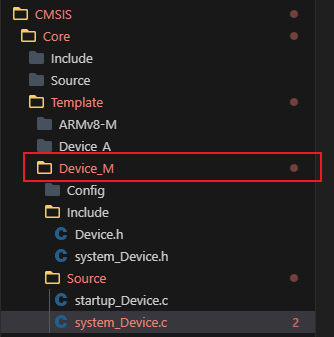
repo目录如下:
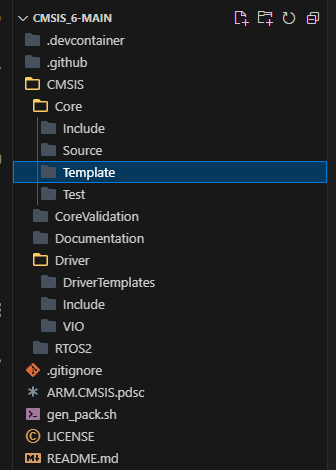
为构建stm32工程,配置好cmsis以及stm32 std库
随便在keil官网里找一款stm32的package,然后导入keil中。链接如下:https://www.keil.arm.com/packs/stm32f1xx_dfp-keil/versions/
然后还有cmsis的package,下载好之后导入keil中。链接如下:
https://www.keil.arm.com/packs/cmsis-arm/versions/
(用于对stm32 std工程的创建,因为stm32的std库是基于cmsis的描述进行构建的)
完成之后可以用两种方式查看是否导入成功:
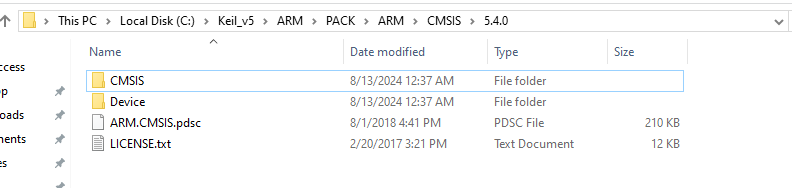
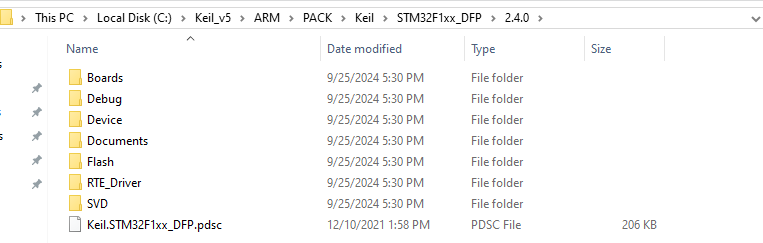
1)查看keil目录
cmsis:
stm32 package
2)在keil中的Pack Installer查看
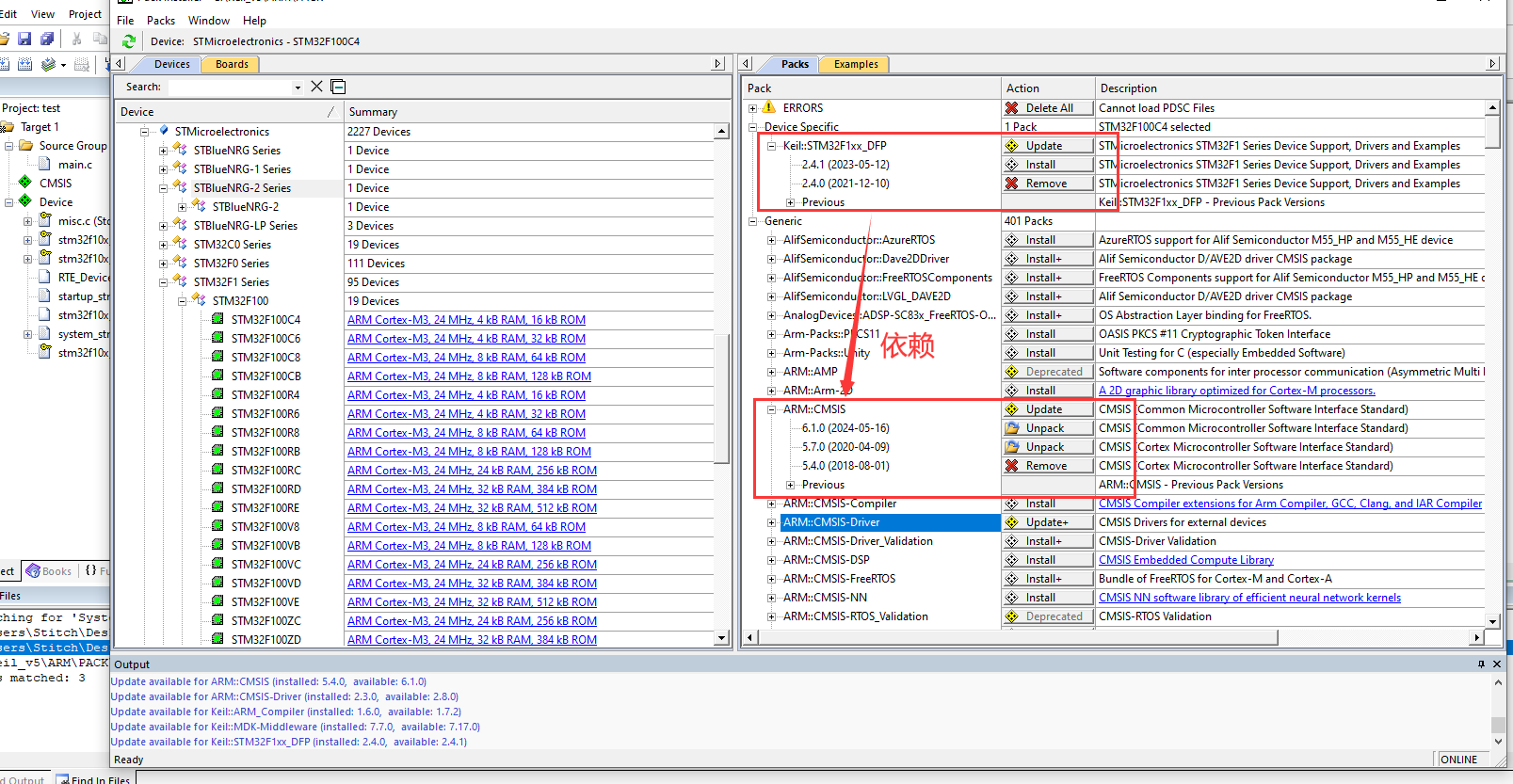
基于构建stm32 std库构建工程
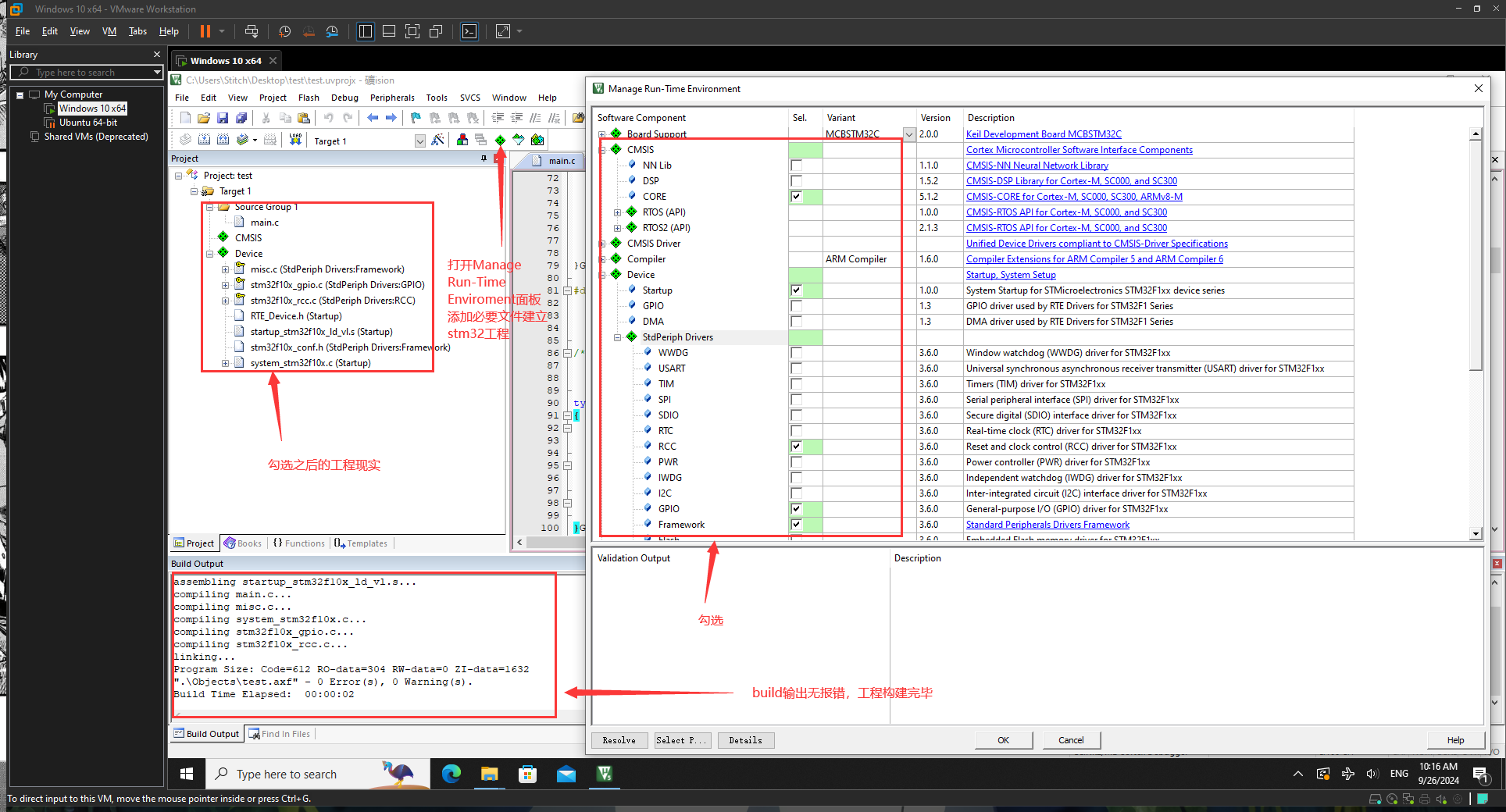
对比
先看stm32工程,然后对比cmsis。
-
stm32 std库工程对于
core_cm3.h的头文件包含关系如下,即core_cm3.h包含于stm32f10x.h包含于stm32f10x_gpio.h

-
之后观察CMSIS/Core/Template/Device_M目录下
system_Device.c和system_Device.h
然后对比stm32工程下的system_stm32f10x.c和system_stm32f10x.h文件// file name: system_stm32f10x.c /** * @brief Setup the microcontroller system * Initialize the Embedded Flash Interface, the PLL and update the * SystemCoreClock variable. * @note This function should be used only after reset. * @param None * @retval None */ void SystemInit (void) { /* Reset the RCC clock configuration to the default reset state(for debug purpose) */ /* Set HSION bit */ RCC->CR |= (uint32_t)0x00000001; /* Reset SW, HPRE, PPRE1, PPRE2, ADCPRE and MCO bits */ #ifndef STM32F10X_CL RCC->CFGR &= (uint32_t)0xF8FF0000; #else RCC->CFGR &= (uint32_t)0xF0FF0000; #endif /* STM32F10X_CL */ /* Reset HSEON, CSSON and PLLON bits */ RCC->CR &= (uint32_t)0xFEF6FFFF; /* Reset HSEBYP bit */ RCC->CR &= (uint32_t)0xFFFBFFFF; /* Reset PLLSRC, PLLXTPRE, PLLMUL and USBPRE/OTGFSPRE bits */ RCC->CFGR &= (uint32_t)0xFF80FFFF; #ifdef STM32F10X_CL /* Reset PLL2ON and PLL3ON bits */ RCC->CR &= (uint32_t)0xEBFFFFFF; /* Disable all interrupts and clear pending bits */ RCC->CIR = 0x00FF0000; /* Reset CFGR2 register */ RCC->CFGR2 = 0x00000000; #elif defined (STM32F10X_LD_VL) || defined (STM32F10X_MD_VL) || (defined STM32F10X_HD_VL) /* Disable all interrupts and clear pending bits */ RCC->CIR = 0x009F0000; /* Reset CFGR2 register */ RCC->CFGR2 = 0x00000000; #else /* Disable all interrupts and clear pending bits */ RCC->CIR = 0x009F0000; #endif /* STM32F10X_CL */ #if defined (STM32F10X_HD) || (defined STM32F10X_XL) || (defined STM32F10X_HD_VL) #ifdef DATA_IN_ExtSRAM SystemInit_ExtMemCtl(); #endif /* DATA_IN_ExtSRAM */ #endif /* Configure the System clock frequency, HCLK, PCLK2 and PCLK1 prescalers */ /* Configure the Flash Latency cycles and enable prefetch buffer */ SetSysClock(); #ifdef VECT_TAB_SRAM SCB->VTOR = SRAM_BASE | VECT_TAB_OFFSET; /* Vector Table Relocation in Internal SRAM. */ #else SCB->VTOR = FLASH_BASE | VECT_TAB_OFFSET; /* Vector Table Relocation in Internal FLASH. */ #endif }// file name: system_Device.c /*--------------------------------------------------------------------------- System initialization function *---------------------------------------------------------------------------*/ void SystemInit (void) { /* ToDo: Add code to initialize the system. Do not use global variables because this function is called before reaching pre-main. RW section maybe overwritten afterwards. */ /* ToDo: Initialize VTOR if available */ #if defined (__VTOR_PRESENT) && (__VTOR_PRESENT == 1U) SCB->VTOR = (uint32_t)(&__VECTOR_TABLE[0]); #endif /* ToDo: Enable co-processor if it is used */ #if (defined (__FPU_USED) && (__FPU_USED == 1U)) || \ (defined (__ARM_FEATURE_MVE) && (__ARM_FEATURE_MVE > 0U)) SCB->CPACR |= ((3U << 10U*2U) | /* enable CP10 Full Access */ (3U << 11U*2U) ); /* enable CP11 Full Access */ #endif /* ToDo: Initialize SAU if TZ is used */ #if defined (__ARM_FEATURE_CMSE) && (__ARM_FEATURE_CMSE == 3U) TZ_SAU_Setup(); #endif SystemCoreClock = SYSTEM_CLOCK; }可以发现stm32工程下的
SystemInit是根据cmsis下的ToDo注释实现的。在stm32工程中,除了还有一个名为
stm32f10x.h的头文件,与system_stm32f10x.c和system_stm32f10x.h基于cmsis的实现有紧密相关